
Why Some Wedding Photos Age Better Than Others
There’s a quiet difference between a photograph that feels beautiful today and one that continues to hold the same weight twenty years from now. At first glance, that difference is almost invisible. Both images may feel emotional, polished, and visually compelling. But over time, something begins to separate them.
One continues to feel natural and connected to the moment. The other begins to feel tied to a specific period.
Not because it was poorly taken, but because of what it was built on.
Wedding photography doesn’t live in the present for very long. It quickly becomes part of memory, and memory operates differently. It doesn’t respond to what was popular at the time. It responds to what feels true.
That is where longevity begins.
When Style Becomes a Timestamp
Photography, like any visual medium, moves through phases. Certain approaches rise in popularity, darker tones, heavy contrast, muted palettes, or highly stylized compositions. These choices can feel striking, especially when viewed in isolation. They create impact and draw immediate attention.
But wedding photography is rarely experienced as a single image. It unfolds as a complete body of work, where repetition begins to shape perception. What feels dramatic in one frame can begin to feel heavy across an entire gallery. Over time, that consistency can shift from feeling intentional to feeling tied to a specific moment in time.
That’s where the difference becomes more noticeable.
Images that age well tend to move differently. They don’t immediately signal a trend or a period. Instead, they stay open. The focus remains on the people, the interaction, and the feeling within the frame rather than the stylistic choices applied to it.
The Role of Color in Memory
Color is often the first element to create distance as an image ages. Not because it changes physically, but because perception changes over time. When tones are pushed too far whether warmer, cooler, darker, or more desaturated, the image slowly moves away from the way the moment was actually experienced.
At first, this can feel expressive. There’s a clear mood and a distinct visual identity. But as years pass, those same adjustments can begin to feel less familiar. Skin tones lose their natural balance. Whites shift away from neutrality. Environments begin to look interpreted rather than remembered.
Memory doesn’t hold onto a filtered version of a moment. It holds onto what felt real. When color stays close to that reality, the photograph remains aligned with the memory instead of competing with it.
When Color Steps Aside
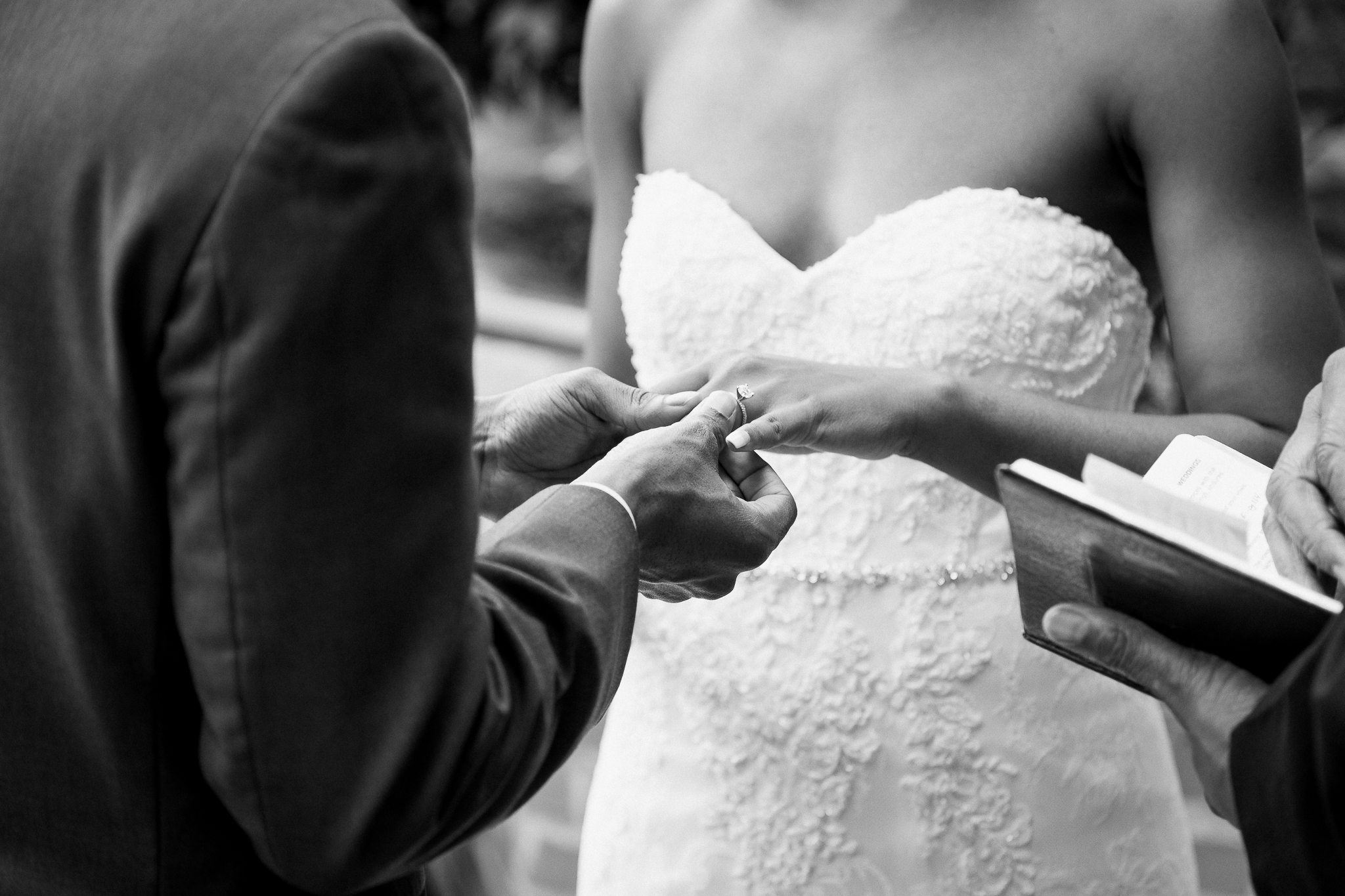
While color plays a powerful role in how we remember a moment, there are times when removing it allows something else to come forward. Black and white photography, when used with intention, is less about style and more about reduction. It simplifies the image down to light, gesture, and emotion, removing any elements that might compete for attention.
In moments where expression and connection carry the full weight of the image, this reduction can make the photograph feel even more direct. It doesn’t reinterpret the moment as much as it strips it back to what was already there.
Used sparingly, it can feel timeless not because it follows a trend, but because it avoids one.
Presence Over Construction
Another subtle factor that shapes how images age is the way moments are captured. Some approaches rely heavily on direction and construction, shaping the scene until it fits a certain visual expectation. The result can feel refined and controlled.
But over time, that control becomes visible.
Moments that were carefully arranged can begin to feel less connected to how they actually unfolded. There is a difference between guiding a moment and replacing it. The more a moment is constructed, the more it risks losing the small, unrepeatable details that made it meaningful in the first place.
Photographs that hold their value tend to preserve presence. They reflect the way something happened rather than how it could have been staged. Expressions, gestures, and interactions remain intact in a way that still feels recognizable years later.
Why Simplicity Holds
There is always a natural instinct to add more to push an image further, to make it more dramatic, more stylized, more distinct. In the short term, that approach can create impact.
But impact and longevity are not always aligned.
Simplicity carries a different kind of strength. It doesn’t rely on intensity to hold attention. Instead, it allows the photograph to breathe. Light remains balanced, composition stays clear, and the subject is not competing with the treatment applied to it.
Over time, those qualities become more valuable, not less. They don’t require the viewer to adjust or reinterpret what they are seeing. They simply continue to feel right.
What Remains
When looking through older photographs whether from a decade ago or several generations back the images that continue to resonate tend to share a similar quality. They feel grounded. Nothing about them feels exaggerated or forced.
They don’t depend on what was popular at the time they were created. They depend on what was present.
That is what carries forward.
A Different Way to Think About It
Choosing a photographer often begins with what feels visually compelling in the moment. That instinct makes sense. Strong imagery is meant to draw attention.
But another layer emerges when thinking beyond the present. Not just how the images look today, but how they will feel when revisited years from now, in a completely different context.
Because eventually, these photographs stop being part of a current moment and become part of a personal history.
And history tends to favor what feels honest.
Closing Thought
Styles will continue to evolve. New approaches will emerge, and older ones will fade. That cycle is constant.
What remains consistent is something quieter.
Photographs that stay close to reality. Moments that are allowed to unfold. Images that don’t try to anchor themselves to a particular time.
Not everything needs to feel timeless.
But the images that do are usually built on the simplest things and those are the ones that tend to last.