
A Friend Recommended a Wedding Photographer. How Do You Compare Your Options?
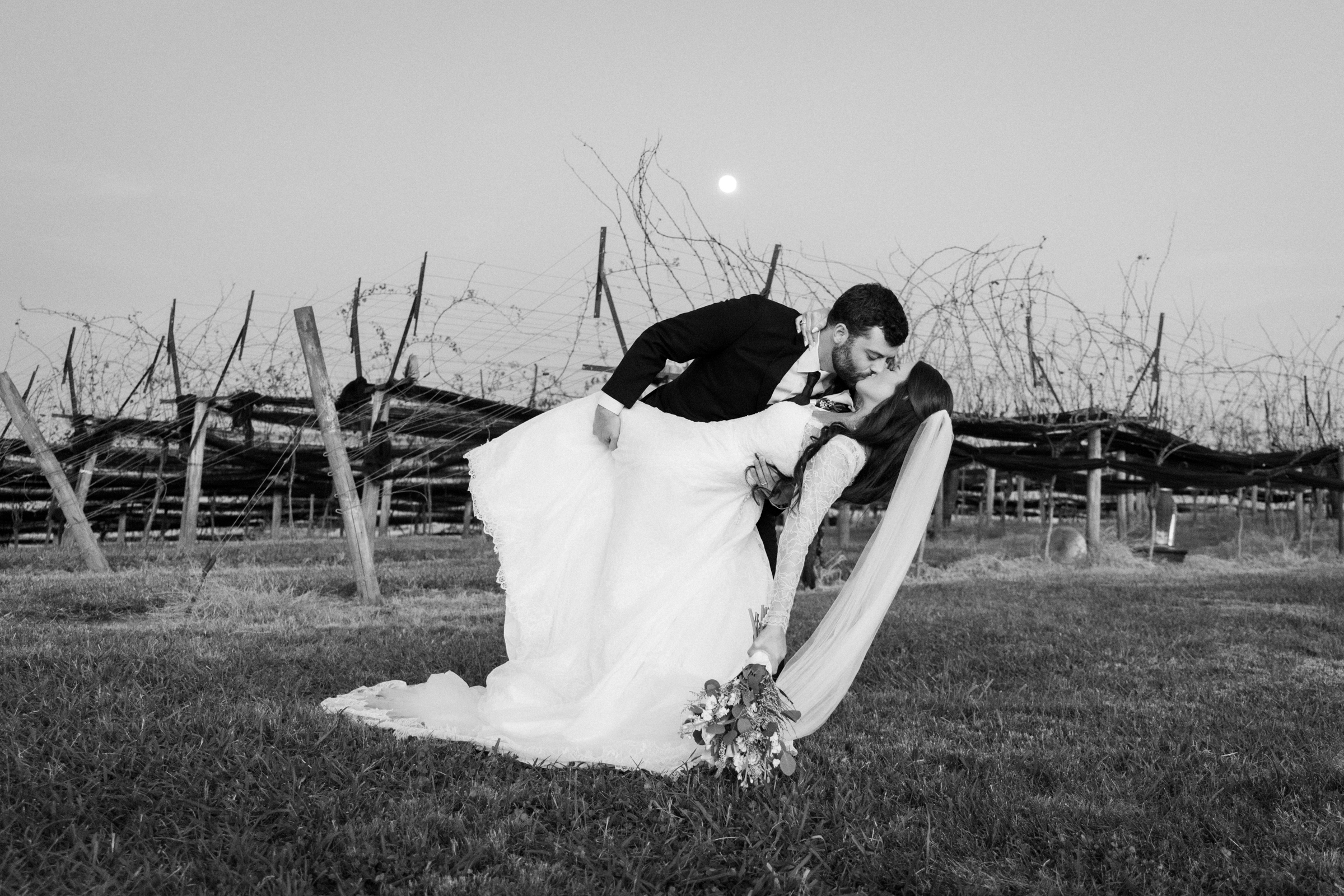
A recommendation is one of the better ways to find a wedding photographer. You can see the photographs, but you can also hear what the photographer was like to work with: whether communication was clear, whether the family photos went smoothly, and whether the photographer stayed ready when the schedule changed.
Still, a recommendation tells you the photographer was right for one couple, at one wedding. Your friend’s day had its own venue, timeline, and mix of people. It doesn’t necessarily tell you whether the photographer is right for you.
Look at the Full Work, Not Just the Best Photos
When comparing photographers, I would start with full wedding galleries rather than the selected images on a website or Instagram. A small portfolio can show taste. A full gallery, the whole day in order, shows judgment. You can see what the photographer notices, how the work holds up in a dim reception room or during rushed family photos, and whether the quieter parts of the day get as much attention as the obvious ones. That is closer to what you’re actually buying than the best twenty images.
It also helps to look past whether the photographs are simply good. Two experienced photographers can produce equally strong work while seeing a wedding very differently. One stays close to the action and makes energetic photographs. Another works more quietly and leaves more space around a scene. One gives frequent direction, while another interferes as little as possible. Neither approach is better. The question is which one fits the way you want to experience the day.
A photographic style is not only an editing choice. It affects where the photographer stands, when the photographer steps in, and how present the photographer feels. After years of weddings, I think this is the part couples underestimate. The photographer’s manner shapes the photographs partly because it shapes the atmosphere around them. A confident, direct photographer is useful when a large family needs organizing. A more restrained one may suit a couple who dislikes being managed or watched. Most good photographers can adapt, but everyone has a natural way of working, and you will be around that person for most of your wedding day.
Compare the Package Once the Work Feels Right
Packages matter too, though they are easier to compare once the work and approach feel right. Two photographers can quote the same price and include very different things: the hours, whether there is a second photographer, how long delivery takes, and whether albums or engagement photos are part of the price. More hours are not always more useful. Ten hours may be necessary for a wedding spread across several locations, while a compact celebration may be photographed well in much less time.
A conversation is often what settles the comparison. You should come away with a clear sense of how the photographer thinks, not just a list of what the package contains. Notice whether the photographer asks about your timeline and your families, or only about your style. Notice whether the photographer listens before offering solutions, and whether the advice reflects your wedding rather than a standard formula. Notice, too, whether the conversation leaves you feeling comfortable and understood. That feeling tends to carry over onto the day itself, and into how you look in the photos.
Use the Recommendation as an Introduction
A friend’s recommendation is valuable evidence, and it should be the first name on your list. Treat it as a strong introduction, then compare the full work, the photographer’s way of working, and the practical details of the service. On the day itself, you won’t be thinking about the package. You will be thinking about whether the person with the camera understands what is happening around you. Choose the photographer you’d trust with that.